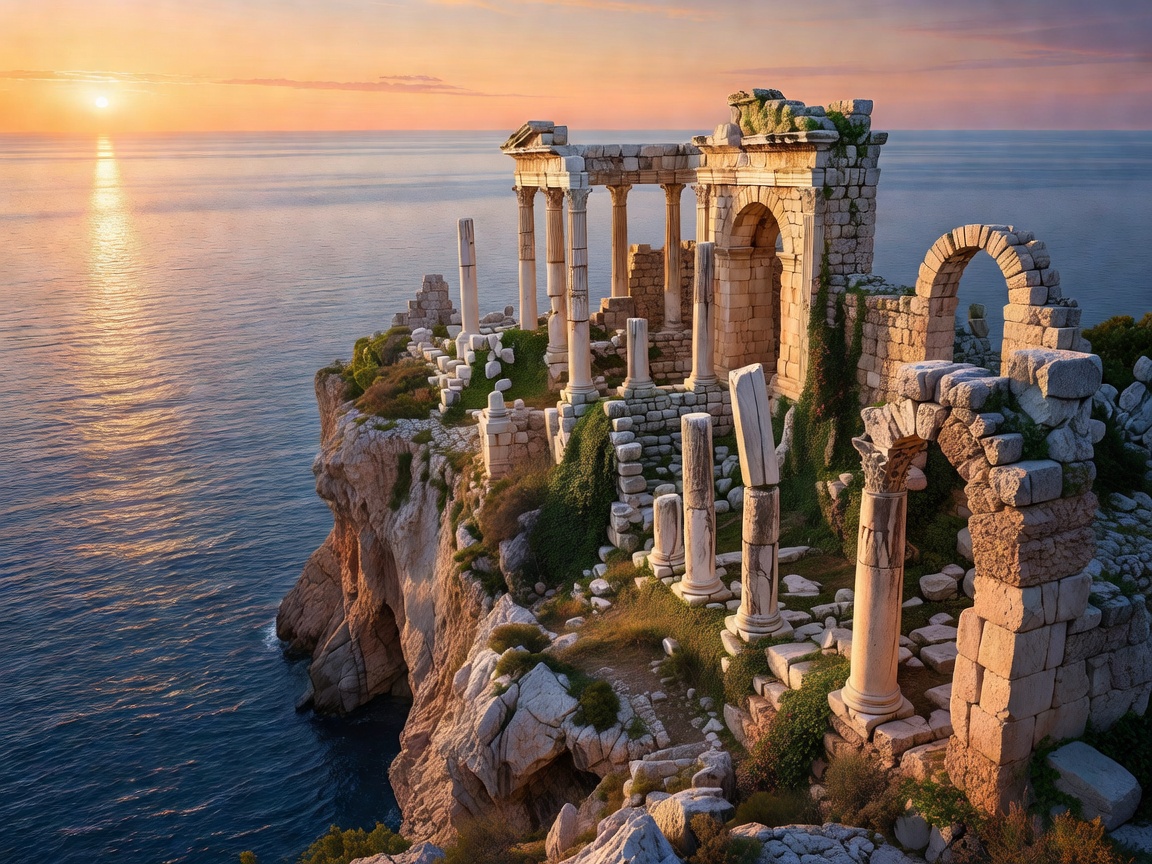
Skip the expensive island ferries and head south from Athens. The Peloponnese peninsula offers the most dramatic driving in Greece, combining rugged coastal cliffs with dense mountainous interiors. Best of all, because it is largely ignored by the mainstream island-hopping tourist crowd, local prices for food and accommodation are significantly lower, making a €100 budget incredibly generous for two days.
The Route
Starting just after the Corinth Canal (avoiding the major toll highway from Athens), this route follows the eastern coastal roads down towards Nafplio and Epidaurus. The secondary roads are entirely toll-free. While they can be narrow and winding, they offer unobstructed views of the Saronic Gulf and direct access to small, untouristed pebble beaches.
Budget Breakdown
Greece offers excellent value, particularly regarding street food and rural accommodation. Here is how your €100 is allocated on the peninsula.
| Category | Details | Estimated Cost |
|---|---|---|
| Fuel | ~12 liters @ €1.90/L | €22.80 |
| Tolls | Secondary roads only | €0.00 |
| Accommodation | Local guesthouse (Domatia) | €30.00 |
| Food & Drink | Gyros, bakery items, local taverna | €25.00 |
| Contingency | Ruins entry fee (minor site) | €7.20 |
| Total | €85.00 |
Food & Fuel Strategies
Greek street food is the ultimate budget hack. A traditional pork or chicken Gyros pita will cost around €3.00 to €4.00 and is incredibly filling. For breakfast, local bakeries sell large portions of Spanakopita (spinach and feta pie) or Tiropita (cheese pie) for about €2.50. You can easily eat three satisfying meals a day in Greece for under €15 total. Fuel is slightly more expensive in rural areas, so fill up at major junctions near Corinth before heading deep into the peninsula.
Accommodation Under €30
Instead of booking standard hotels, look for signs advertising "Domatia" (rooms to let) in small coastal villages. These are essentially basic private rooms attached to a family home or taverna. In the shoulder seasons (May or September), you can often negotiate a room for €25-€30 a night by just showing up and asking. Furthermore, Greece has a long-standing tolerance for discrete wild camping in a car or small tent near remote beaches, which can bring your accommodation cost to €0.
Pros and Cons
- Pros: Exceptional food at very low prices; stunning, empty coastal roads; affordable roadside accommodations without prior booking.
- Cons: Rural Greek roads can be poorly maintained with loose gravel; local drivers are famously aggressive; fuel is relatively expensive.
Conclusion
The Peloponnese is a driver's paradise that easily fits into a micro-budget. By relying on delicious, cheap bakery items and seeking out traditional Domatia instead of commercial hotels, you can experience the heart of ancient Greece for well under €100.